There’s a reason so many Australians end up on the couch with a phone in one hand and a cold drink in the other on a Friday arvo. The cluster pays pokies feature has become one of the more interesting mechanics in modern slots, and it rewards players who actually watch the board instead of mashing spin. I’ve spent twenty years designing games across land-based floors, social apps, and iGaming products, and the best cluster mechanics always ask you to read the screen, not just react to it.
How the mechanic actually plays out
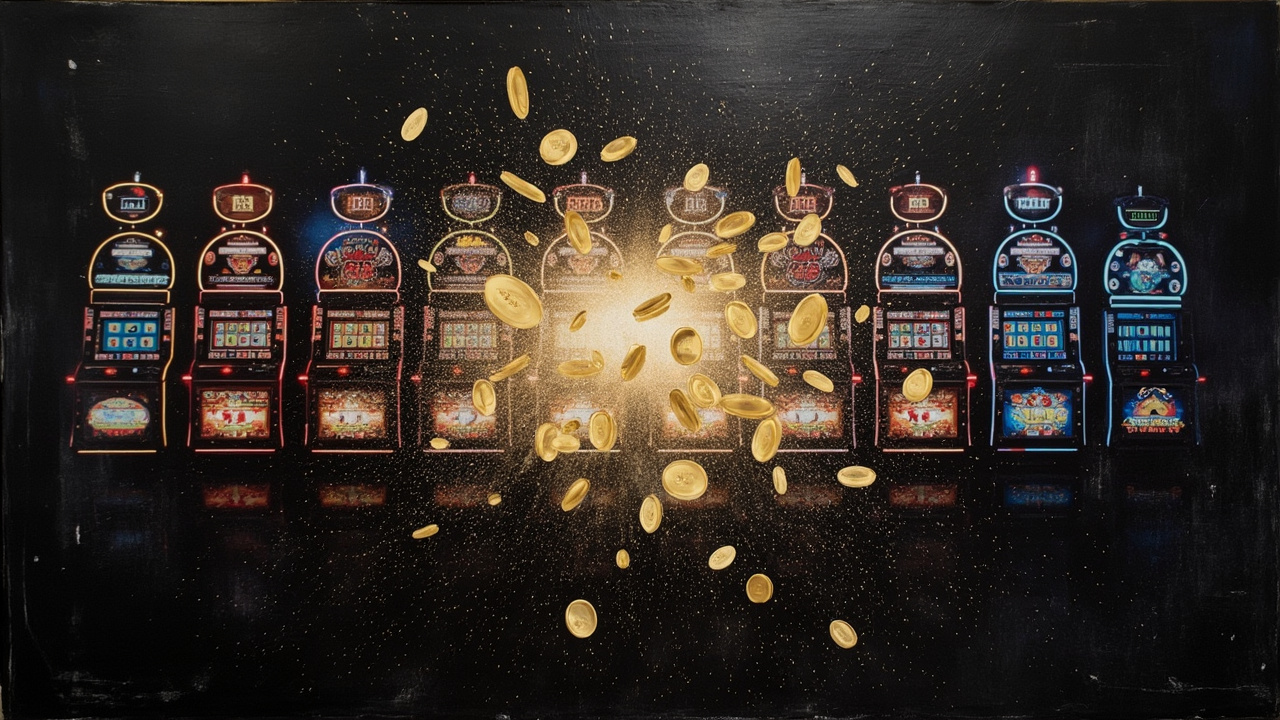
Cluster pays pokies feature works on a simple idea: you build groups of matching symbols that touch each other, and those groups pay instead of waiting for a rigid payline. That sounds loose, but the rules underneath are tight. A cluster usually needs to hit a minimum size, often eight connected symbols on a grid, and the payout scales with how many symbols are in the group. Some titles treat the whole grid as a single cluster map, others split it into zones, and that changes how volatile the session feels. I’ve shipped social versions of this mechanic and the tuning matters more than the artwork. A cluster that pays too often flattens the experience, while one that pays too rarely turns into a slog. The sweet spot sits in the middle, where a good run feels earned and a cold run still leaves you with something to chase. When I’m judging a new title, I look at how the grid collapses after a win, because cascading reels are the real engine here. A neat fall and fresh symbols dropping in can chain a session together, but only if the math supports it.
Why mobile performance shapes the whole session
You can have the prettiest cluster on the market, but if the mobile build stutters, the mechanic loses its point. A lot of players are on phones now, and they expect the grid to respond the way it does on a desktop browser. That means the animations need to load fast, the touch targets need to be accurate, and the balance between spectacle and responsiveness has to be right. I’ve watched sessions fall apart because a cascade animation took too long to render on a mid-range device, and the player’s rhythm just drifted off. A good cluster pays pokies feature should feel like it’s running on the device, not fighting it. Navigation matters too. If you’re hunting for bet controls, paytable details, or autoplay settings, those should be where your thumb naturally lands, not buried behind layers of menus. Performance on a warm afternoon in a Melbourne laneway, with a phone running hot and a signal that comes and goes, is the real test. A solid build keeps the grid steady and the maths readable, even when the connection isn’t perfect. Abc
The trade-offs that come with the mechanic
There’s no free lunch with cluster mechanics, and anyone telling you otherwise is selling something. The biggest trade-off is volatility. Because payouts are tied to cluster size rather than a fixed line, sessions can swing harder than you expect. A run of small clusters can eat into a balance without much to show for it, and then a single large group can flip the mood entirely. That’s not a flaw in the mechanic, it’s the nature of it, but it does mean bankroll discipline matters more than it does on flatter games. I’ve always argued that the best cluster design gives you enough small wins to keep the session alive, without pretending the big groups are around every corner. Another condition worth noting is the grid itself. Some titles use a tight, symmetrical grid that rewards careful placement, while others go wide and loose and let clusters form wherever they can. Neither is better on its own, but they suit different players. If you like watching the board build, the tighter grid often feels more deliberate. If you prefer chaos, the wider one suits you better. The honest read is that the mechanic rewards patience, not luck alone.
What to look for before you commit
Before you sit down with any cluster pays pokies feature, there are a few things worth checking that have nothing to do with the artwork. First, read the paytable for the minimum cluster size and how payouts scale, because that tells you how often the game is likely to hand back something. Second, check how the cascading or refill mechanic works after a win, since that’s what keeps a session moving and what can turn a short run into a longer one. Third, look at the bet range and whether the game lets you adjust it in small steps, because cluster mechanics can punish a balance that’s too heavy for the grid. Fourth, test the mobile build on your own device rather than trusting a screenshot, and pay attention to how fast the grid responds when you change bets or toggle autoplay. Fifth, see whether the game has a clear way to check session details and limits, because a transparent product is a better fit than one that hides its settings. I’ve seen plenty of titles that look great in a promo clip and then feel clunky once you’re actually playing, and that gap is the one that matters.
- Read the minimum cluster size and payout scale in the paytable before you spin.
- Check how the grid refills after a win, because that drives the session rhythm.
- Test the bet range and make sure you can move it in small steps.
- Run the mobile build on your own device and watch how fast the controls respond. Stereo
- Confirm there’s a clear way to check limits and session details before you start.
A lot of gamblers blow on dice for luck before rolling in craps, and the dots on dice are called pips, which is a reminder that people have always liked a little ritual around chance. The same impulse shows up in cluster play, where players watch the grid build and hope the next drop tips the board in their favour. I’ve worked on products that leaned into that rhythm and others that tried to flatten it, and the ones that respected the player’s time lasted longer. Myanmar and Laos host border casinos catering to foreign visitors, which is a different world entirely, but the lesson carries over: a mechanic only works if the experience around it is honest. As Adam Watson, Senior Market Analyst, Flinders Interactive Group, put it, the cluster mechanic is only as good as the transparency around it, and players who understand the grid do better than those chasing a vibe. That’s the plain truth of it, and it’s worth keeping in mind no matter where you’re playing.
That desire for a hidden pattern drives enthusiasts to seek out systems that might decode the randomness. Some turn to digital tools for a sense of control, visiting https://woocasinocodes.com/ to find what they believe are winning strategies. Yet the thrill ultimately remains in the uncertainty, much like the shake of the cup before the dice settle.
No worries, the mechanic isn’t hard to pick up, but it does ask for a bit of attention. If you’re after a session that feels deliberate rather than noisy, a well-built cluster pays pokies feature can deliver that, provided you treat it like a game with real conditions and real limits.