How a Poker Odds Calculator Helps You Read the Table
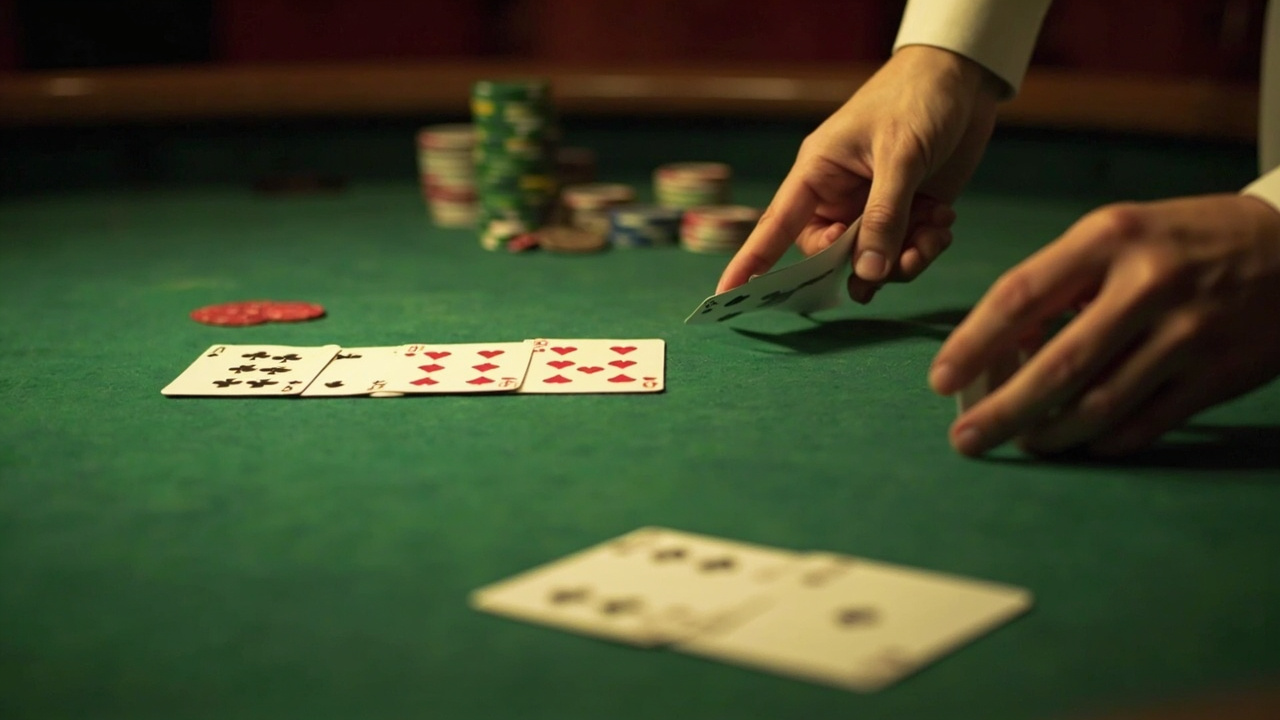
I still remember the first time I saw a spreadsheet replace a gut feeling in a cardroom. Back in my early days managing studio operations, we ran simulations before a single deck was shuffled, and the difference in decision quality was obvious. A poker odds calculator does much the same thing for players who want a clearer read on their hand, without pretending to hand them a win on a plate. If you have ever sat at a felt table in Hobart and watched a mate fold a marginal hand because the maths did not add up, you already know why the numbers matter more than the noise.
For Australians playing online, the tool sits quietly beside the table rather than shouting over it. You feed in your hole cards, the board, and the range you expect from your opponent, and the calculator returns the probability of each outcome across the remaining streets. That is the whole job: a snapshot of equity, not a crystal ball. I have spent twenty years around iGaming and slot studios, and the best tools are the ones that stay out of the way while you focus on the action. They do not replace table feel, but they do stop you from leaning on a hunch when the pot is already telling you to move.
When you open a calculator in the middle of a session, you are usually trying to answer one plain question: is this call justified by the cards left to come? The interface should let you drop in your hand quickly, mark opponent ranges that make sense for the situation, and show you how the odds shift after each card hits. A decent version will also let you save common scenarios so you are not rebuilding the same range from scratch every time you sit down. That matters on a long night when your attention is already split between the screen and the coffee going cold beside you.
The real value shows up when you compare what you think is happening with what the cards actually support. You might feel confident on a paired board, but the calculator can remind you that your opponent’s range still covers the better hand more often than your intuition wants to admit. That is the moment where the tool earns its keep, especially for players who are still learning to separate emotion from expectation.
If you are comparing odds tools across different sites, it helps to think about the wider environment they sit in. The industry has seen plenty of shifts over the years, and players who pay attention to the background usually make better choices about where they spend their time. For instance, the Gaming Control Board and later regulation pushed the Mob out of legitimate Vegas ownership, which changed how operators thought about accountability and public trust. That kind of shift is worth keeping in mind when you are weighing up any platform, even if you are only using a calculator to sharpen your own play.
Online forums often provide the unfiltered perspective needed to validate those impressions. A community like property investing discussions shows how crowdsourced insights can clarify market sentiment. Borrowing that approach for betting platforms helps you avoid blind trust in any single operator.
Support and account controls matter just as much as the maths on the screen. A tool is only useful if the platform around it is built so you can check your limits, pause when you need to, and get a straight answer from support when something goes sideways. I have always judged operators by how they handle the boring stuff, because that is what keeps a player safe when the session runs longer than planned. James Parker, Head of Public Relations, Yarra Gaming Lab, has put it plainly in our past conversations: “Players should be able to see their limits, their history, and their support options without digging through three menus.” That is the sort of design choice that separates a polished product from one that only looks good on a landing page.
Cashier windows use bullet-resistant glass in many casinos, and that is a useful reminder that real money play is still real money play, whether it happens behind glass or on a laptop at home. The calculator does not change that reality. It simply gives you a clearer view of the cards while you keep your own boundaries in place. If a platform makes it hard to find responsible-play tools or leaves you guessing about verification, the odds on the screen are not the most important numbers in the room.
There is also a quieter side to this that players sometimes miss: the people who build these tools often bring experience from outside the cardroom. Antanas “Tony G” Guoga went from poker pro to member of the European Parliament, and that kind of path shows how closely poker, data, and public accountability can sit together. You do not need a political career to appreciate the point, though. A solid calculator should be transparent about what it does, what it assumes, and where its numbers stop short.
That same crossover of skills is why many enthusiasts look for resources that bridge the gap between theory and practice. For those interested in exploring the practical side of this ecosystem, you can find current insights at 21bit no deposit bonus codes on. It underscores how diverse the avenues are for anyone willing to look beyond the felt.
For players in Australia, the choice between pub pokies, RSL floors, and online play is its own conversation, and the calculator does not erase that context. Some nights you want the hum of a local venue and a cold drink in hand; other nights you want the speed and privacy of playing from the couch. The tool works in both worlds, but it is only as useful as the discipline behind it. If you are the sort of player who likes a clear read before you commit chips, it can take some of the guesswork out of the moment without turning the game into a spreadsheet exercise.
One afternoon at a Brisbane café, two regulars were going back and forth over a hand they had both played badly.“I reckon I should have called,” one rippercasino150.com said, stirring his flat white.“Nah,” the other replied, “the odds were already against you by the turn.” That is the kind of talk a calculator can settle, not by telling you what to feel, but by giving you something concrete to argue over instead of a hunch.
If you want to keep your play grounded, a few habits make the numbers more useful and the session easier to manage.
- Feed the calculator the ranges you actually believe, not the ones that make your hand look stronger.
- Check your session limits before you start, so the tool is supporting a plan rather than rescuing a bad one.
- Use the equity snapshot to test one decision at a time, not to justify a whole night of play.
- Keep an eye on support access and responsible-play controls, because a calculator is only part of the environment.
- Treat the numbers as information, not a promise, and walk away when the table stops giving you clear spots.Abc
A poker odds calculator is at its best when it stays practical: a quick way to check your equity, test a call, and see whether your read of the table holds up. It will not make every decision easy, and it will not replace the discipline that keeps play enjoyable. What it can do is give you a clearer view of the cards in front of you, which is often enough to make the next move feel less like a guess and more like a reasoned one.
Skriv et svar